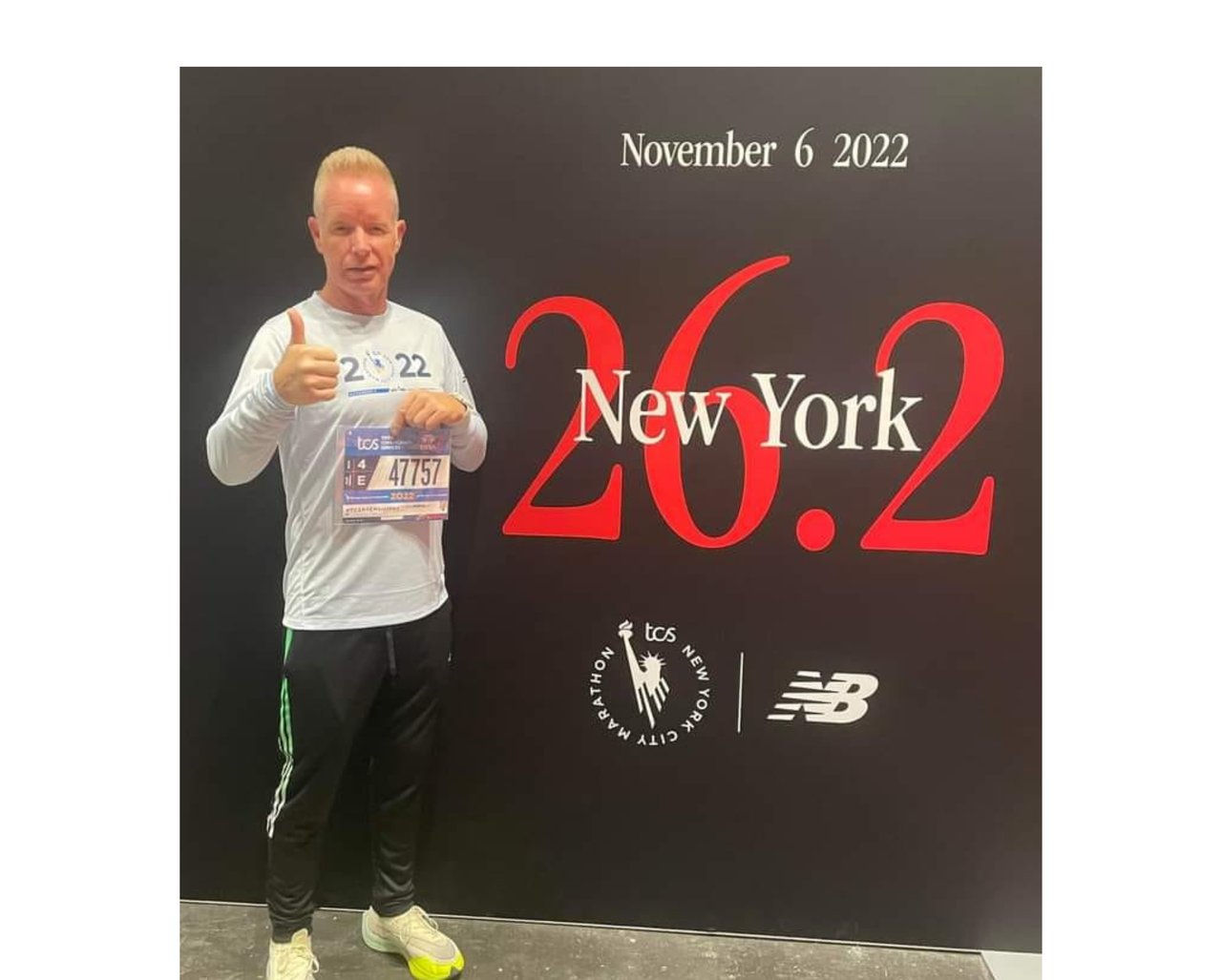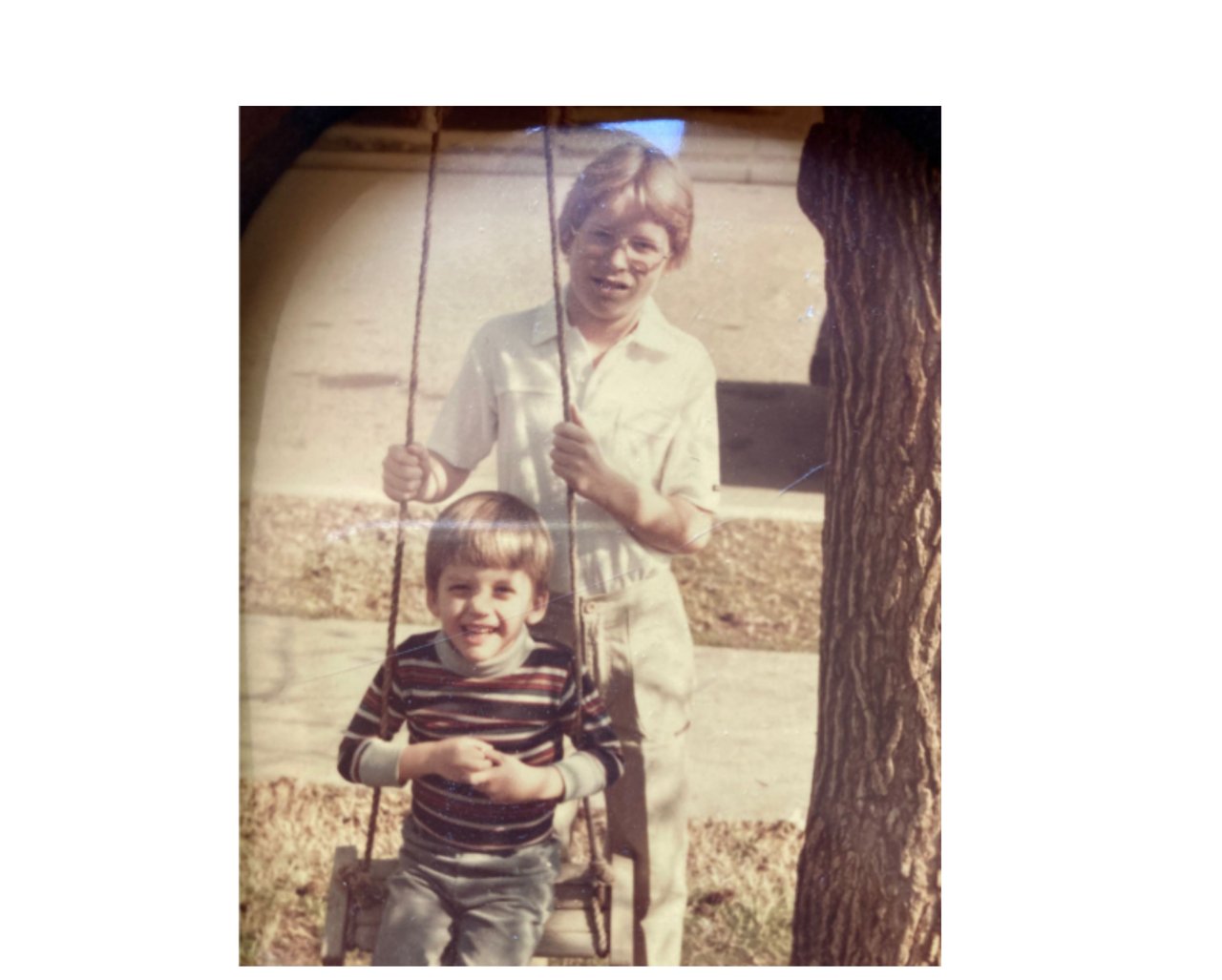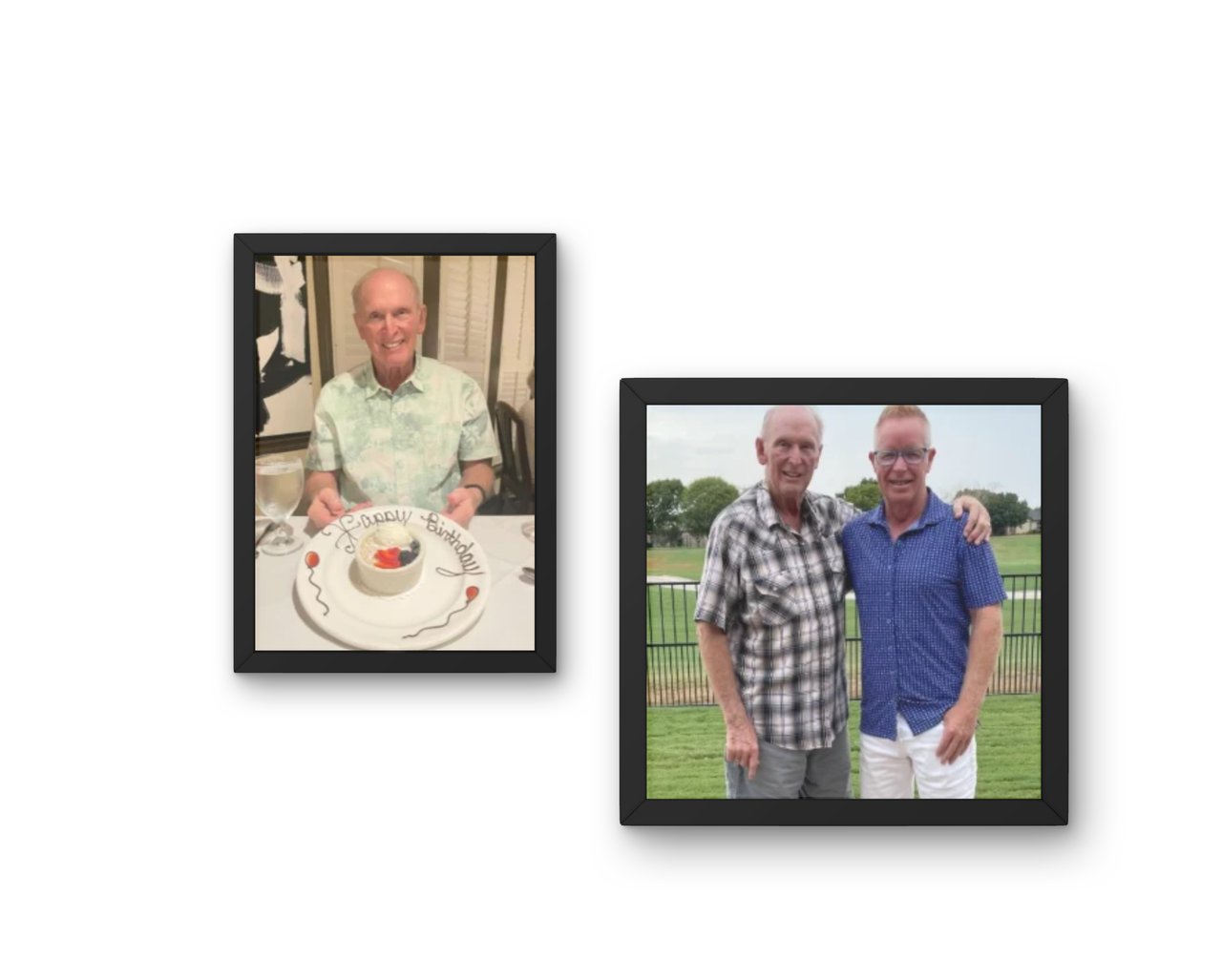
It’s the summer of 1983, and I’m 13 years old. My Dad and I have just gotten done with a motorcycle ride. After settling into a grassy knoll at Hidden Valley Park, my dad tells me that he and my mom are getting a divorce. While I’m sure this was somewhat shocking, I wasn’t really that phased by the news. What I really wanted to know was, “Do I get to go live with my Dad?” My Dad was my hero. We had so much fun together. He was hysterical, and people loved to be around him. He was a leader in the kindest way, and despite being a pastor, he was so cool. In fact, earlier that year, he took me to see Van Halen on the back of his Honda Goldwing 1000. Still, the best concert I have ever gone to. Before that, we rode down to see the Space Shuttle land at Edwards Air Force Base. I could go on and on but you get the idea, he was the fun dad. “No, you are going to live with your mom and sisters.” This was devastating. I cried, and he cried. I guess my dad didn’t think I was as cool as I thought he was. I thought to myself, “maybe my Dad doesn’t really care about me.” He moved 250 miles away, and I know I visited him, but our relationship was never the same after that. I did go live with him a few years later, but by then, the distance between us was already a chasm. For the next 40 years, my relationship with my Dad was very surface-level, and I really missed, even longed for, a meaningful connection with him, but when I brought it up, he didn’t really know what to do with my request. I got so agitated at one point that I didn’t speak to him for over a year. I was so “right” in my conviction that he was the problem. Despite getting sober, going to therapy, reading endless books, being in men’s groups, all the personal development things I could think of for over 30 years, and being a successful person in general, I didn’t feel like I could get my dad to see me. A few years ago, with my Dad in his mid-70s, I decided to accept my dad for who he was and stop focusing on who he wasn’t. After all, the only way I would get the Dad I wanted was if he did a bunch of therapy, and that would never happen. In August of last year, I was at the Landmark Forum in San Francisco. The leader starts talking about this “vicious circle.” One that takes the facts of an event in our life and collapses them with the meaning we gave that fact. Then, from that moment forward, we are looking for that meaning to appear again. One of the laws of the universe I am familiar with is what we are looking for, we will find.
Fact: My dad told me that he and my mom were getting a divorce and that I was going to live with my mom.
Meaning that I gave that fact: I guess my dad doesn’t really care about me. (Soon the “I guess” part left).
From that point on, I saw my dad through one filter: “My Dad doesn’t really care about me.”
Every time he said “no” to me, every time I missed him, every time I didn’t have a great interaction with him, every time he tried to parent me and hold me accountable, every time he appeared to choose my step mother’s feelings over mine; what I saw was “My Dad doesn’t really care about me.”
I was seeing my dad through the filter of a story written by a 13-year-old boy. A boy that was not capable of understanding how difficult it must have been for him to leave his family, including his son, and only see him once in a while. A boy who was not capable of understanding the emotional sacrifices my dad made for not just me but my whole family. A boy who was not capable of understanding that my Dad’s love for me was not at all connected to me going to live with my mom. As I got older and more mature, my story about him did not. The fact and the meaning I gave the facts became one. I reacted to my dad as a hurt child for years, and eventually, the only safe way my dad could talk to me was with surface-level conversations. This revelation hit me like a ton of bricks right between my eyes.
My dad does now and has always loved me and cared about me. It was as if a whole new history instantly backfilled my memory. All the places I could see my Dad’s love and who he really had been being, and my filter had kept us emotionally apart.
During the break, tucked into the alcove of a closed business on Battery Street in San Francisco, I called my Dad and shared what I had discovered. I was already hearing my dad in a whole new way. I told him, “I know now that you have always cared about me.” I acknowledged how hard it must have been for him not to be able to connect with me, and I was the author of that story. We were both crying again, almost exactly 40 years later, but this time with joy. It was as if I instantly got my Dad back. Since then, our conversations have been on a completely deeper and more meaningful level.
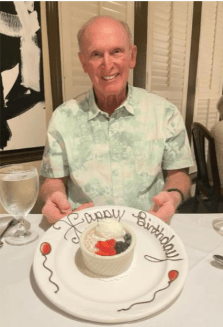
My Dad never really left, I had.