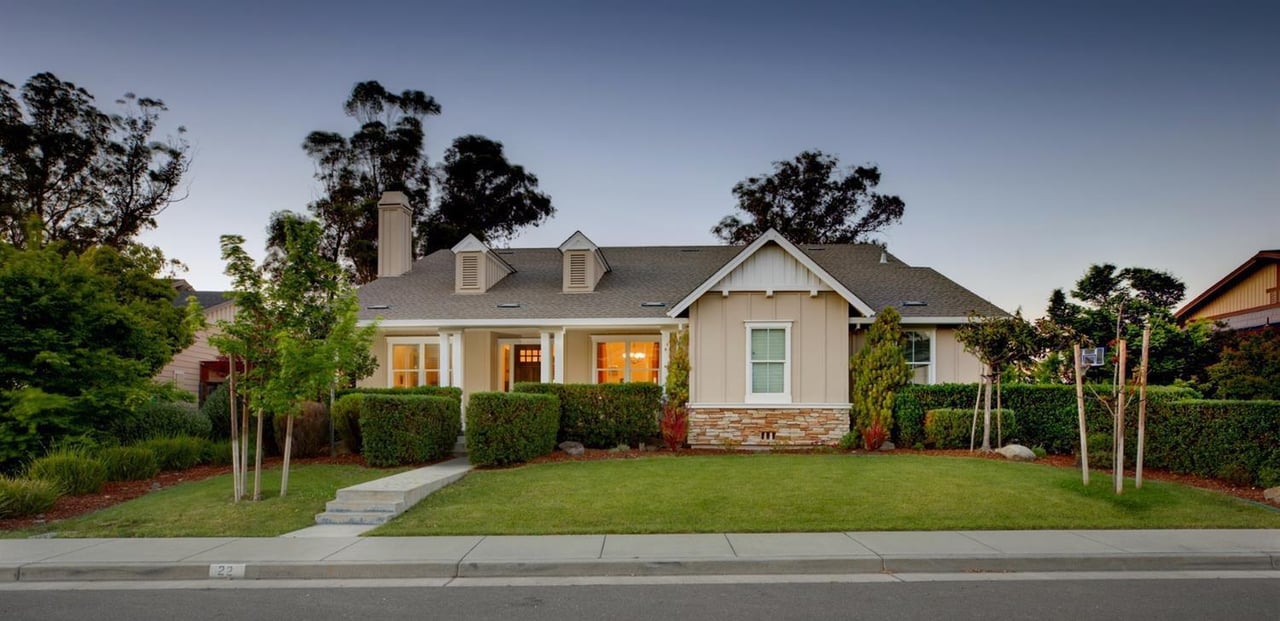
When you inherit a parent's home, selling it isn't always as simple as putting it on the market. For many families, it's the home they grew up in, filled with years of memories and personal belongings.
There's often a lot to deal with before even thinking about selling. And while there are practical decisions to make, it's important to give yourself time to work through the emotional decisions, too.
Nicole and I have helped families navigate this process often, and one thing we've learned is that having a clear plan from the beginning makes a big difference.
Once you make it to a point where you think "it’s time", here are the steps to take.
1. Have an experienced agent walk through the property
Before making any decisions or spending money on improvements, have a real estate agent visit the property and take a good look around.
Every home is different. Some have been well-maintained and need very little work. Others haven't been updated in years, especially if the previous owners lived there for decades and had no plans of selling. I think we can all agree that the longer you live in a home, the more ‘things’ you somehow acquire.
The walkthrough helps you understand what needs attention, what can stay as it is, and what might be worth fixing before listing the property. Sometimes people have an idea of what is important to fix prior to going on the market and that actually may not be the case.
It's much easier to make a plan when you know what you're working with. Hire someone with the expertise in working with inherited properties so you have one less thing to worry about.
2. Take your time sorting through personal belongings
This can be one of the most difficult parts of the process.
A home that's been lived in for many years usually holds a lot of things, and not everything is easy to part with. Some items may have little monetary value but mean a great deal to the family.
Having help can make this process less overwhelming. We work with trusted professionals who can help sort through belongings, identify items worth keeping, and arrange donations, recycling, or responsible disposal for the rest.
One thing worth knowing: most existing furniture won't be suitable for staging the home. It's usually best to plan for the house to be cleared before preparing it for sale. That is another thing that Nicole and I will give you guidance on. You don’t have to make these decisions alone and we can help coordinate all vendors for you.
3. Focus on improvements that make a difference
Once the house is cleared, the next question is what to fix or update.
Our approach is pretty straightforward: we want every dollar spent on improvements to have a meaningful return when the home sells.
As a general guideline, we look for improvements that could bring back around three times their cost in added sale value. For example, if new flooring costs $10,000, we'd want to see the potential for roughly $30,000 in added value.
Some of the improvements we commonly consider include:
- Interior paint and flooring - These can make an older home feel much cleaner and more inviting.
- Fixtures and hardware - Replacing old doorknobs, cabinet pulls, hinges, and faucets can freshen up a space without a major expense.
- Cabinet painting - Depending on the condition and material, repainting cabinets can be a good alternative to replacing them.
- Countertops - New countertops can make a noticeable difference, and they may be more affordable than many homeowners expect.
- Appliances - Updated appliances can help give the kitchen a more finished look.
- Exterior paint - If the existing paint is worn, a fresh coat can improve the home's overall appearance.
Of course, not every home needs all of these. It really comes down to the property's condition and what buyers in that market are likely to value.
4. Know when it's better to stop renovating
It's easy to get caught up in fixing everything, especially when a home hasn't been updated in a long time.
But more work doesn't always mean a higher sale price.
We look at each property individually and consider whether the cost of an improvement makes sense compared to what it could add to the home's value.
Sometimes, selling the property as-is is actually the better decision. If the repairs would cost more than the value they could bring, there's little reason to put the family through unnecessary work and expense.
A good agent should be honest about that, even when it means recommending fewer improvements.
5. Don't forget about the home's first impression
Buyers often form an opinion before they even step inside.
The front of the house is usually the first thing they see online, and it's also what welcomes them when they arrive for a showing.
We recently started working on an older Craftsman-style home in a great neighborhood. The house has plenty of charm, but the front porch paint is worn, a few boards need replacing, there's a large metal security screen on the front door, and the front yard is mostly dirt.
We're planning to clean up the exterior and give the entrance a much more welcoming feel.
These details might seem small, but they can change how buyers see the entire property. A little attention to the front yard, porch, and entrance can go a long way.
Frequently Asked Questions
Should I renovate an inherited house before selling it?
Not always. Fresh paint, new flooring, and updated fixtures may help, but it depends on the home's condition. Have an agent assess which improvements are worth the investment.
Can I sell an inherited house as-is in Petaluma?
Yes. Selling as-is may be the better option if repairs are too costly or won't add enough value.
What should I do first after inheriting a house?
Start with a property assessment, organize important documents, and sort through personal belongings. Consult an estate professional about the legal steps involved.
Is it better to sell an inherited home empty or furnished?
An empty home is often easier to prepare and stage. Removing personal belongings also helps buyers picture themselves living there.
Which repairs are worth making before selling?
Fresh paint, flooring, updated fixtures, and curb appeal can make a difference. Focus on improvements that offer the best potential return.
Who can help me sell an inherited property in Sonoma County?
A real estate agent experienced in trust and probate sales can help with pricing, preparation, and the selling process. You may also need an estate attorney or professional fiduciary.
Thinking About Selling an Inherited Home?
If you've inherited a property in Petaluma or anywhere in Sonoma County and aren't sure where to start, we're happy to help. Reach out to Rick Warner and Nicole Evans for a conversation about your options and the best way forward. No pressure, just honest guidance to help you make an informed decision.