
Breaking the Myth of Homeownership with Bad Credit
Many people believe that owning a home is out of reach if they have bad credit or a low income. But the truth is, thousands of buyers successfully purchase homes every year with less-than-perfect credit histories. The key lies in understanding how lenders evaluate applications, knowing your financing options, and strategically preparing your finances.
Buying a home with bad credit doesn’t have to be a dream deferred. While traditional lenders may hesitate, numerous government-backed and private programs exist to help individuals with limited financial means achieve homeownership. With the right preparation, you can turn obstacles into opportunities and confidently begin your journey toward owning your first home.
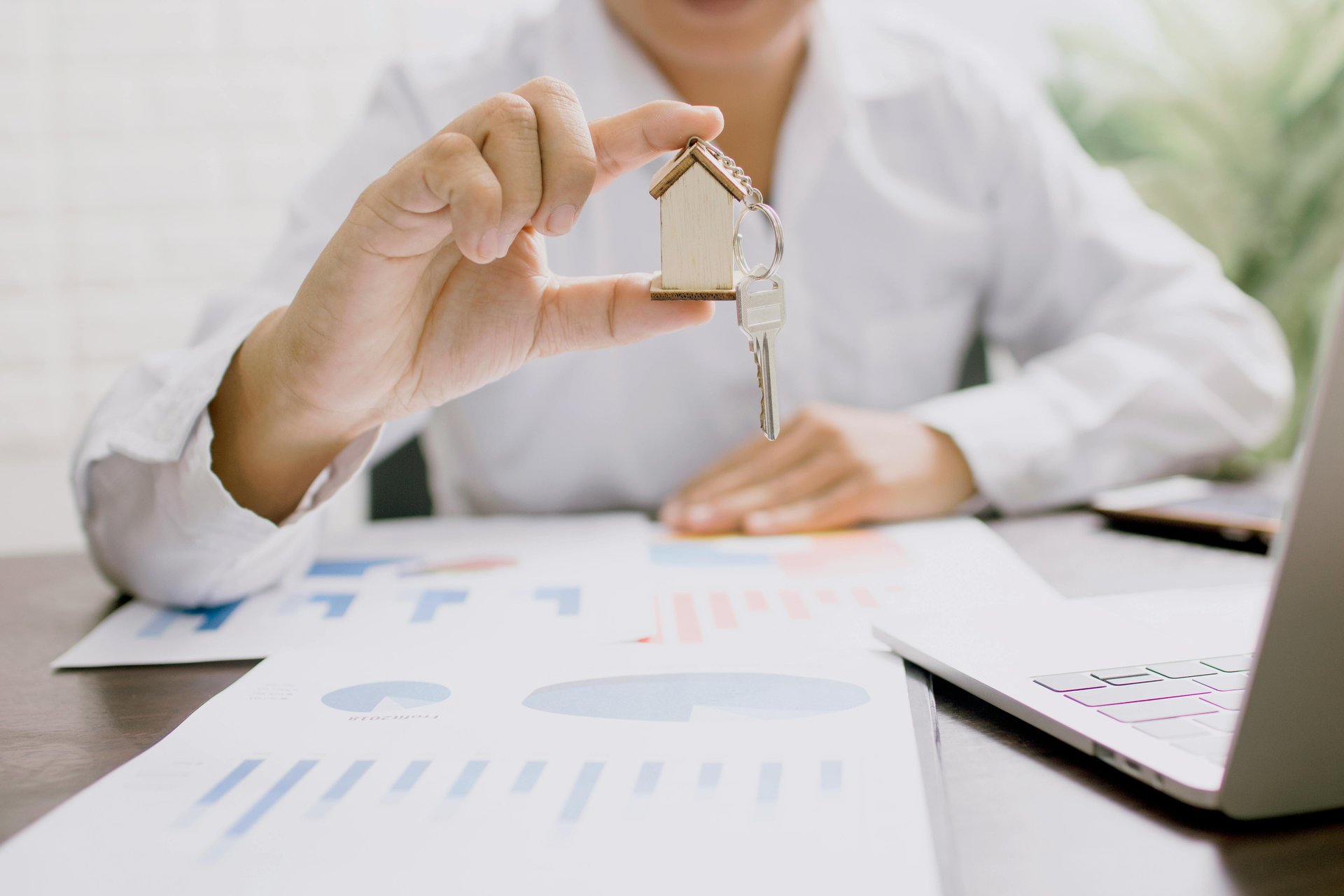
Why Your Credit Score Matters in the Home Buying Process
Your credit score is one of the most critical numbers in the mortgage approval process. It represents your reliability as a borrower and helps lenders gauge how likely you are to repay your loan. Scores typically range from 300 to 850, with anything below 620 often considered “bad credit.”
A low credit score can affect your ability to secure a loan or result in higher interest rates, meaning you’ll pay more over the life of the mortgage. However, lenders don’t rely on credit alone. They also review income stability, employment history, and debt-to-income ratio. If you’ve demonstrated consistent income and have manageable debt levels, you may still qualify for certain loans despite a lower score.
Understanding your credit report and correcting any inaccuracies is an essential first step. Even small improvements in your credit score can save you thousands of dollars in interest over time, making it one of the smartest investments you can make before buying a home.
Steps to Improve Your Financial Readiness
Before applying for a mortgage, it’s crucial to strengthen your financial foundation. Start by obtaining your credit report from major bureaus like Experian, Equifax, and TransUnion. Review each report carefully to identify and dispute any inaccuracies that may be dragging down your score.
Next, focus on debt management. Pay down high-interest credit cards and avoid taking on new debt. Reducing your debt-to-income ratio (DTI) can greatly improve your mortgage eligibility. Even small monthly payments toward outstanding balances can make a significant difference over time.
It’s also wise to build a savings cushion. Aim for at least 3% to 5% of the home’s purchase price as a down payment, though some programs may require less. Lenders appreciate seeing consistent savings habits - it shows financial discipline and readiness.
Lastly, maintain stable employment for at least two years before applying. A consistent job history reassures lenders that you can handle long-term financial commitments.
Mortgage Programs for Bad Credit Buyers
Several specialized mortgage programs make it easier for people with low credit scores or limited income to buy homes.
1. FHA Loans
The Federal Housing Administration (FHA) offers loans with credit scores as low as 580 and down payments as low as 3.5%. FHA loans are ideal for first-time buyers because they have flexible underwriting standards.
2. VA Loans
If you’re a veteran or active-duty service member, VA loans offer excellent benefits, including no down payment and no private mortgage insurance (PMI). These loans are backed by the Department of Veterans Affairs.
3. USDA Loans
The USDA loan program supports buyers in rural and suburban areas, often providing zero-down financing for those who meet income limits.
4. Conventional Low-Income Programs
Some lenders and agencies, such as Cross Country Mortgage provide conventional loans for borrowers with moderate credit scores and lower income levels.
5. Nontraditional and Subprime Lenders
If traditional lenders deny your application, you may explore alternative lenders who consider factors like rental history, income stability, or cash flow. However, exercise caution to avoid high-interest or predatory loan terms.
Partnering with the Right Professionals
Navigating the mortgage process can be challenging, especially for first-time buyers with credit issues. That’s why it’s crucial to work with professionals who understand your situation.
A mortgage broker can connect you with lenders specializing in bad credit or low-income borrowers. They know how to structure your application to highlight your strengths. Similarly, a real estate agent experienced in working with affordable housing programs can help you find properties that meet your budget and eligibility requirements.
Consider consulting a credit counselor or financial advisor to get personalized advice on improving your credit and managing your finances. These experts can help you create a long-term plan that sets you up for sustainable homeownership.

Navigating the Buying Process Successfully
Once your finances are in order, it’s time to start the home-buying process. Begin by getting prequalified - this gives you an estimate of how much you can borrow and demonstrates to sellers that you’re a serious buyer.
Next, compare multiple lenders to find the best loan terms. Even a small difference in interest rates can have a significant impact on your monthly payment and total loan cost. Make realistic offers that fit comfortably within your budget and avoid stretching yourself too thin financially.
Don’t overlook closing costs, which typically range between 2% and 5% of the home’s price. Be prepared with the necessary documentation, such as tax returns, pay stubs, and bank statements, to avoid delays in approval.
Pitfalls to Avoid When Buying with Bad Credit
Many buyers fall into traps that can worsen their financial situation. One of the biggest mistakes is working with predatory lenders who promise “guaranteed approval” or charge exorbitant interest rates. Always read loan agreements carefully and verify the lender’s credentials.
Avoid opening new credit lines during the home-buying process, as this can temporarily lower your score and raise your debt ratio. Similarly, don’t make large purchases (like a new car) before closing.
Lastly, remember that improving credit takes time. Don’t rush the process - a few extra months of preparation can save you years of financial stress. Seek a second opinion from trusted advisors before committing to any major financial decision.
Conclusion: Turning Challenges into Homeownership Opportunities
Owning a home with bad credit and low income may seem challenging, but it’s entirely possible with patience and preparation. By understanding your financial position, improving your credit, and leveraging government-backed programs, you can turn homeownership into reality.
The key is consistency: make small, smart financial decisions, and seek guidance from experienced professionals. Every step you take toward better credit brings you closer to owning your dream home.
Your path to homeownership begins today - start planning, take control of your credit, and open the door to a brighter financial future.
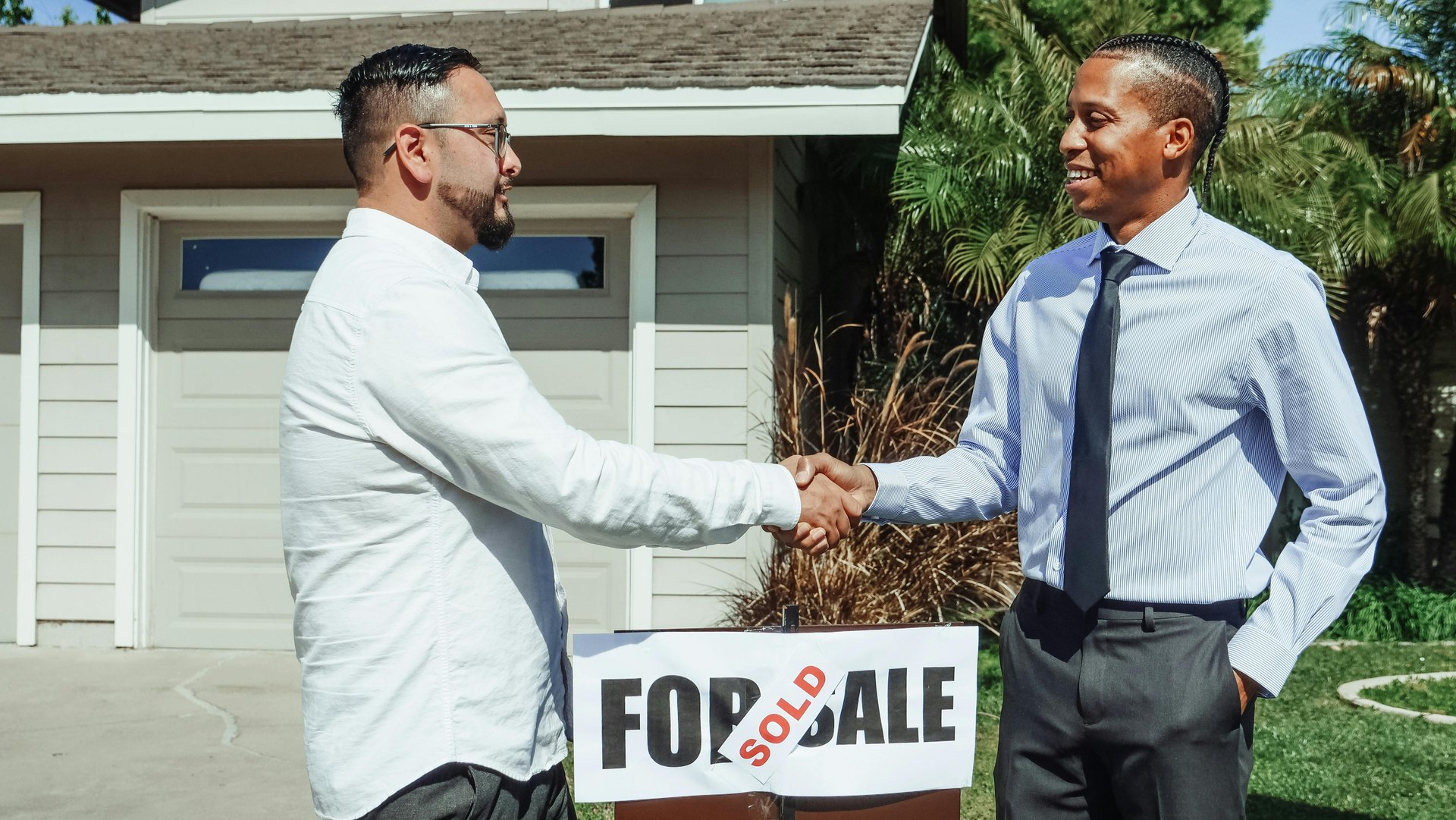
FAQ: How to Buy a House with Bad Credit
1. Can I really buy a house with bad credit?
Yes. Many programs, like FHA, VA, and USDA loans, are specifically designed for borrowers with poor credit or limited income.
2. What is the minimum credit score needed to buy a home?
You can qualify for an FHA loan with a score as low as 580, though some lenders may require higher.
3. How long should I work on improving my credit before buying?
Aim for at least six months to a year of consistent improvement before applying for a mortgage.
4. Can I get a mortgage with low income but good credit?
Yes. Good credit can offset low income in some cases, especially with programs like Fannie Mae’s HomeReady.
5. What’s the best first step if my credit is bad?
Obtain your credit report, identify problem areas, and work with a credit counselor to create a realistic improvement plan.